If you’ve ever tried to rent an apartment, finance a car, or even sign up for a phone plan and gotten stuck because you “don’t have enough credit history,” you already know the problem. Building credit feels like one of those things you need experience for, but you can’t get experience without already having it.
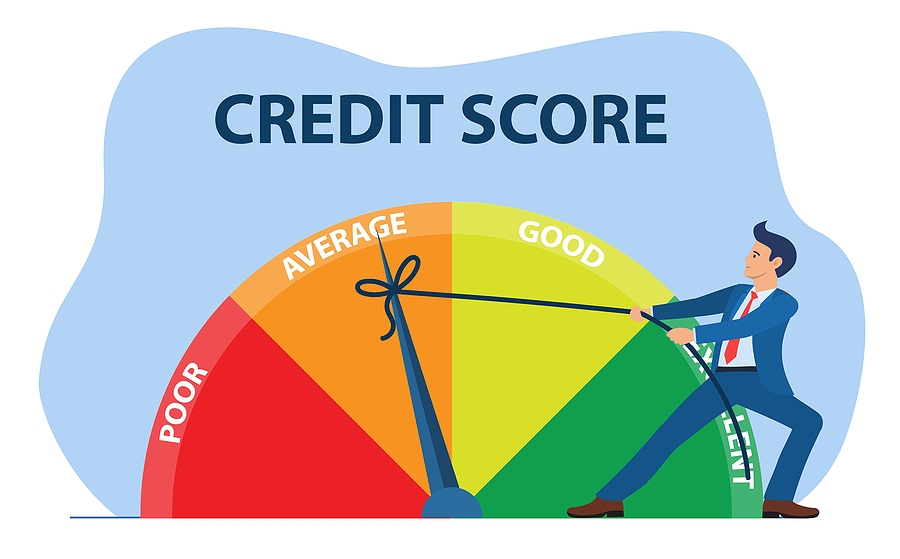
The good news is it’s not actually that complicated once you understand what’s going on behind the scenes. Your credit score is basically a number that tells lenders how risky it is to lend you money, and it’s built from a handful of factors that are all pretty learnable.
What’s actually going into your score
Your credit score isn’t one mysterious number, it’s a formula made up of a few main ingredients. Payment history matters most, meaning whether you pay your bills on time. Credit utilization is next, which is how much of your available credit you’re actually using. Then there’s length of credit history, credit mix, and new credit inquiries.
The two you have the most control over early on are payment history and utilization. Everything else mostly sorts itself out over time just by having accounts open and aging.
Secured cards are the easiest way in
If you don’t have any credit history yet, a secured credit card is usually the fastest way to start. You put down a deposit, usually somewhere between $200 and $500, and that becomes your credit limit. You use the card like a normal credit card, pay it off, and the issuer reports your activity to the credit bureaus just like they would with any other card.
After several months of on-time payments, a lot of issuers will actually upgrade you to an unsecured card and refund your deposit. At that point you’ve got a real credit history and you can move on to better cards with actual rewards.
Becoming an authorized user
Another option, if you’ve got a parent or family member with good credit, is getting added as an authorized user on one of their cards. You don’t even have to actually use the card. Once you’re added, their account history can start showing up on your credit report, including the age of the account, which can give your score a real boost right away.
It’s worth checking with the specific issuer first, since not all of them report authorized user activity to the bureaus. But when it works, it’s one of the fastest ways to build a longer credit history without having to wait years for it.
Keep your utilization low
This is the part people mess up the most. Utilization is just the percentage of your available credit that you’re using at any given time. So if you have a $1,000 limit and you’re carrying a $600 balance, that’s 60% utilization, and that’s going to hurt your score even if you eventually pay it off in full.
A good target is staying under 30%, and if you can keep it under 10% that’s even better. The trick a lot of people use is paying down your balance before the statement closes, not just before the due date, since the balance that gets reported to the bureaus is usually whatever your balance is on your statement date.
Payment history is non-negotiable
You can do everything else right and still tank your score with one missed payment. Even 30 days late can show up on your report and stick around for years. Setting up autopay for at least the minimum payment is one of the simplest things you can do to protect yourself here, even if you plan on paying the full balance manually every month.
It takes time, and that’s normal
None of this happens overnight. Credit scoring models want to see a track record, not just a single good month. The accounts you open now are laying the groundwork for a longer history later, which is one of the scoring factors you genuinely can’t rush.
The people who build strong credit early aren’t doing anything complicated, they’re just consistent. Open an account, use it lightly, pay it off, and let time do the rest of the work.
Leave a Reply